
Blog
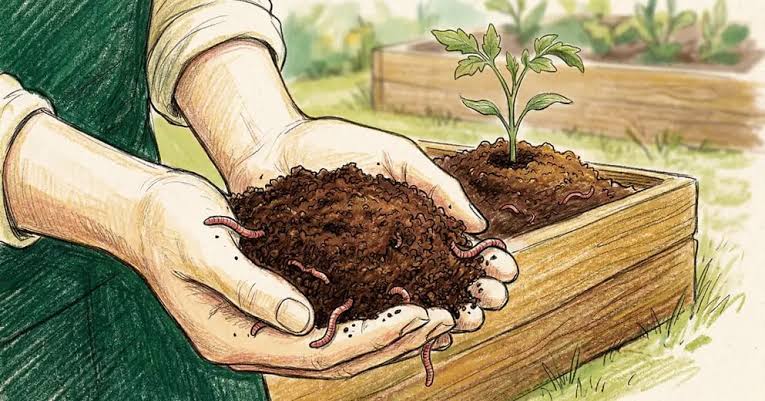
What is vermicompost?
Vermicompost is organic manure made by earthworms. The worms eat crop waste and cow dung and turn it into dark, crumbly compost that is full of nutrients and helpful microbes. It is one of the easiest ways to begin organic farming.
Benefits for your soil and crops
- Improves soil structure, so the soil holds more water and air.
- Supplies nitrogen, phosphorus, potassium and micronutrients slowly over time.
- Increases useful soil microbes and natural earthworm activity in the field.
- Reduces the need for chemical fertilizers and lowers input cost.
- Extra compost can be packed and sold, giving an additional income.
What you need
- A shaded place that does not flood during rain.
- A pit, cement tank or HDPE vermibed (a common size is 10 ft long, 3 to 4 ft wide, 2 ft high).
- Partly decomposed cow dung (15 to 20 days old).
- Dry crop waste: leaves, straw, vegetable waste (no plastic, glass or oily food).
- Composting earthworms such as Eisenia fetida (red wigglers), about 1 kg for a bed of this size.
Step-by-step method
- Spread a 3 to 4 inch layer of dry leaves or straw at the bottom of the bed.
- Add a layer of half-decomposed cow dung mixed with chopped crop waste.
- Release the earthworms on top and cover with a thin layer of dung.
- Cover the bed with jute bags or dry grass to keep it dark and moist.
- Sprinkle water every 2 to 3 days. The material should feel like a squeezed sponge, wet but not dripping.
- Compost is usually ready in 45 to 60 days when it turns dark brown, loose and smells like earth.
- Stop watering for 2 to 3 days before harvest. Worms move down, so you can collect compost from the top, sieve it and reuse the worms.
Common mistakes to avoid
- Using fresh, hot cow dung, which can kill the worms.
- Keeping the bed in direct sunlight or letting it dry out.
- Over-watering, which makes the bed smell bad.
- Not protecting the bed from ants, rats and birds.
How much to apply
A general guide is 2 to 3 tonnes per acre for field crops and 1 to 2 kg per plant for fruit trees, applied around the root zone. Follow your local agriculture officer's advice for your crop and soil.